Yesterday, two signals converged, making it impossible for me to stay quiet about the crossroads facing music and software.
An investor in the leading AI music company publicly shared that she had shifted most of her listening away from Spotify and toward end-to-end generated music. Besides weakening the company's fair use claims, the implication wasn’t subtle: the future of music consumption may not involve musicians at all.
The same day, a well-known tech company cut nearly half its workforce, citing AI-driven productivity gains and prior inefficiencies. Markets rewarded the move, even hinting that a coming SaaS reckoning may be deferred through similar moves by C-suites across industries.
Neither event was shocking, nor directly related. But in watching my tech and music feeds collide, I see something structural: a shift away from human agency toward automated substitution.
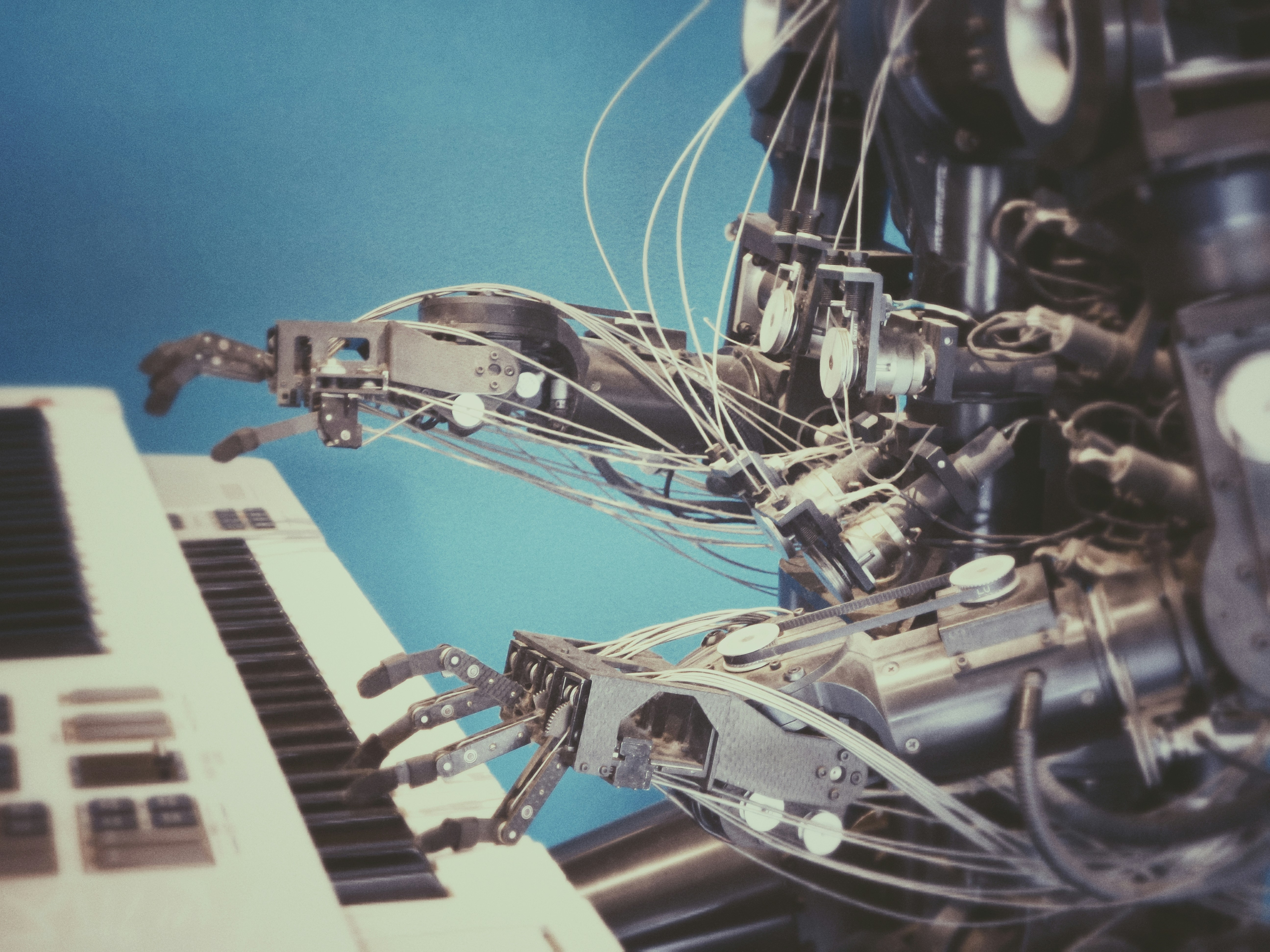
In music, substitution now means replacing artists with generated, passable content that will only improve at replicating nuance.
In software, substitution now means automation that replaces teams, increasing leverage but reducing coordination. Headcount becomes seen as a drag when even the most skilled human engineers can’t keep up.
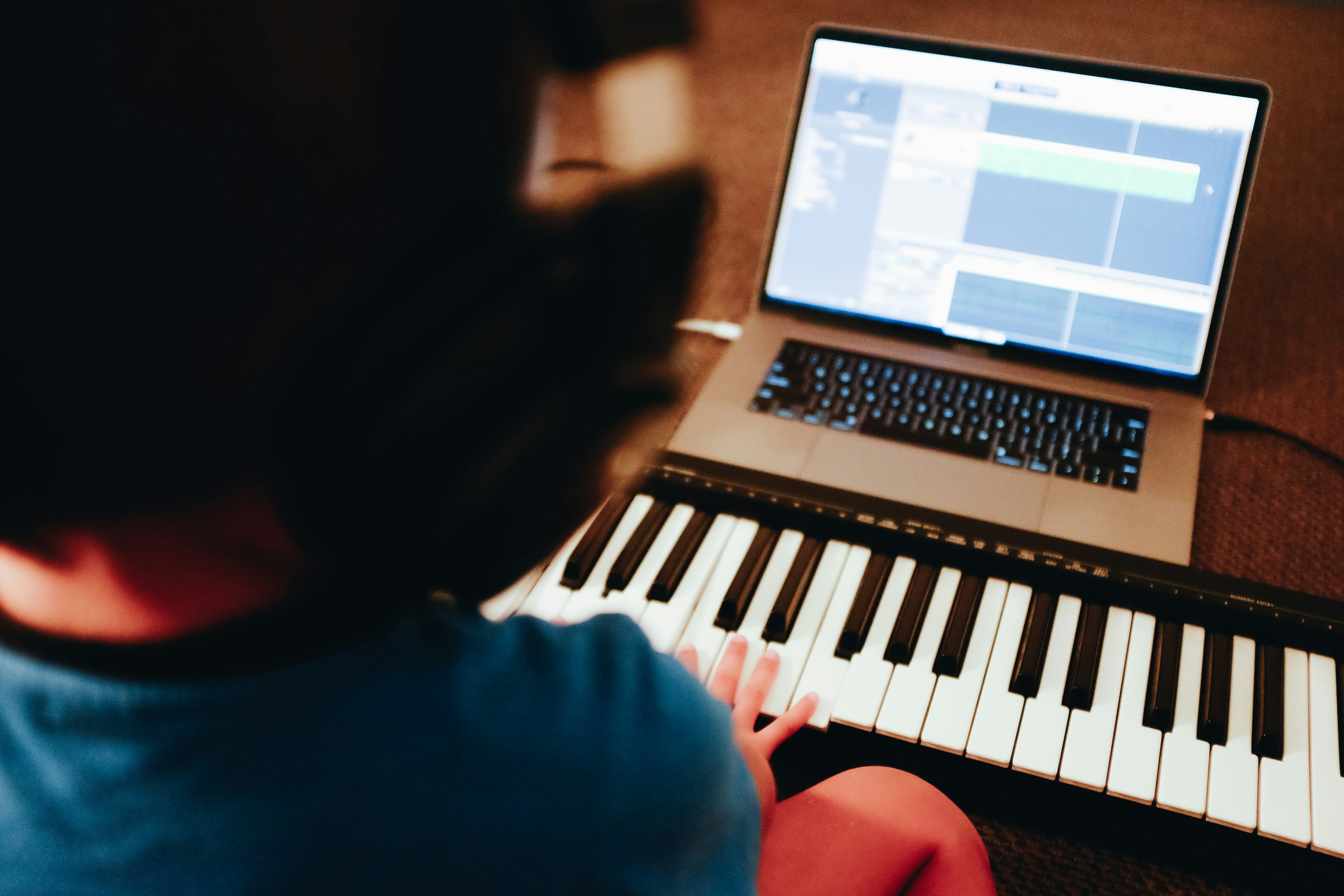
Yet these same forces also make my current pursuit possible. AI dramatically expands what a small team can build. My transition from healthcare into music software could be accelerated, in large part, by this shift.
Since leaving my job in September, the software landscape has already gone through multiple waves of change. In that same stretch, startups have raised, launched, and pivoted in near unison—most recently toward building on top of everyone’s favorite lobster. 🦞
As I work toward a personal goal of improving musicians’ lives through technology, I’m choosing a different path—one that resists the high-growth playbook that prioritizes scale and capital efficiency above all else.
I’m documenting my philosophy for building in the AI music space in the hope that others see the urgency of creating human-centered tools—tools that protect expression and authorship from the perverse incentives shaping both industries.
Personal Stakes: Why I'm Drawing a Line
Friends began sending me AI-generated songs months ago. I listened carefully.
Technically, most sounded passable to an untrained or even trained ear.
But emotionally, they left me unmoved.
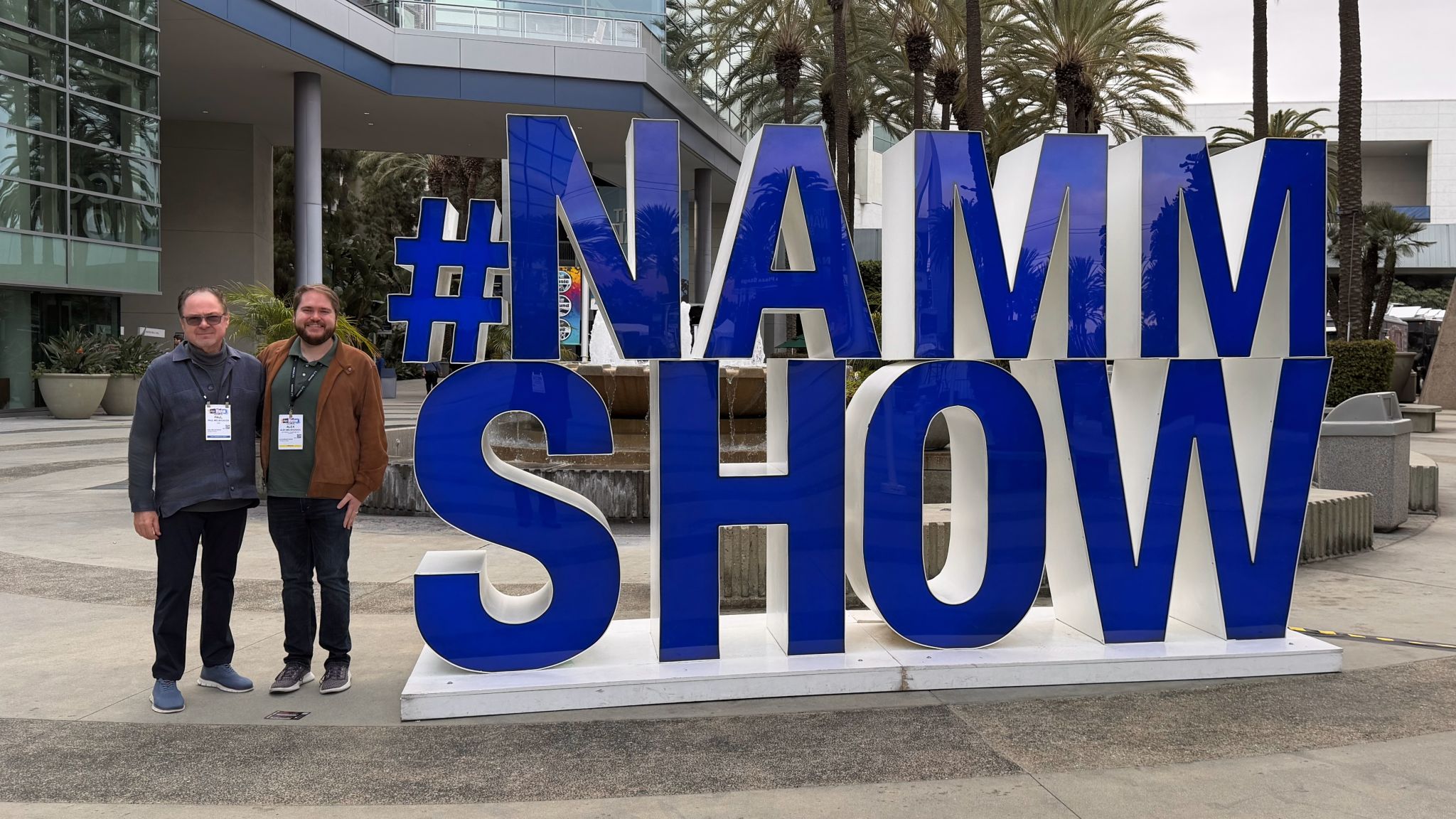
At this January’s National Association of Music Merchants (NAMM) conference, I had a chance to meet music technologists, rights advocates, artists, and lawyers all interested in exploring this intersection. Advocates for end-to-end generation defended the practice as liberating for skilled musicians: instant ideation, no friction, no dependency on collaborators.
There was also a concerted push by many of the speakers at the conference for more artist centric tools, which gave me reassurance that the right conversation is already happening.
Down the hallway from one of the talks, a producer played me a track he had “produced” that morning and said,
“Don’t worry, I’ll re-record it with real musicians before I release it.”
That comment stayed with me.
If you prompt an app for “a song that sounds like…” and receive a finished audio file, in many jurisdictions and applications, you don’t even clearly own what comes back. But beyond legality is something deeper: I observed the creative center of gravity has already shifted.
As a software engineer who has built healthcare workflow tools for over a decade, I understand the appeal of removing friction. AI can eliminate drudgery. It can compress iteration cycles. It can surface ideas cheaply before you invest real energy.
But there is a difference between removing software friction and removing creative friction.
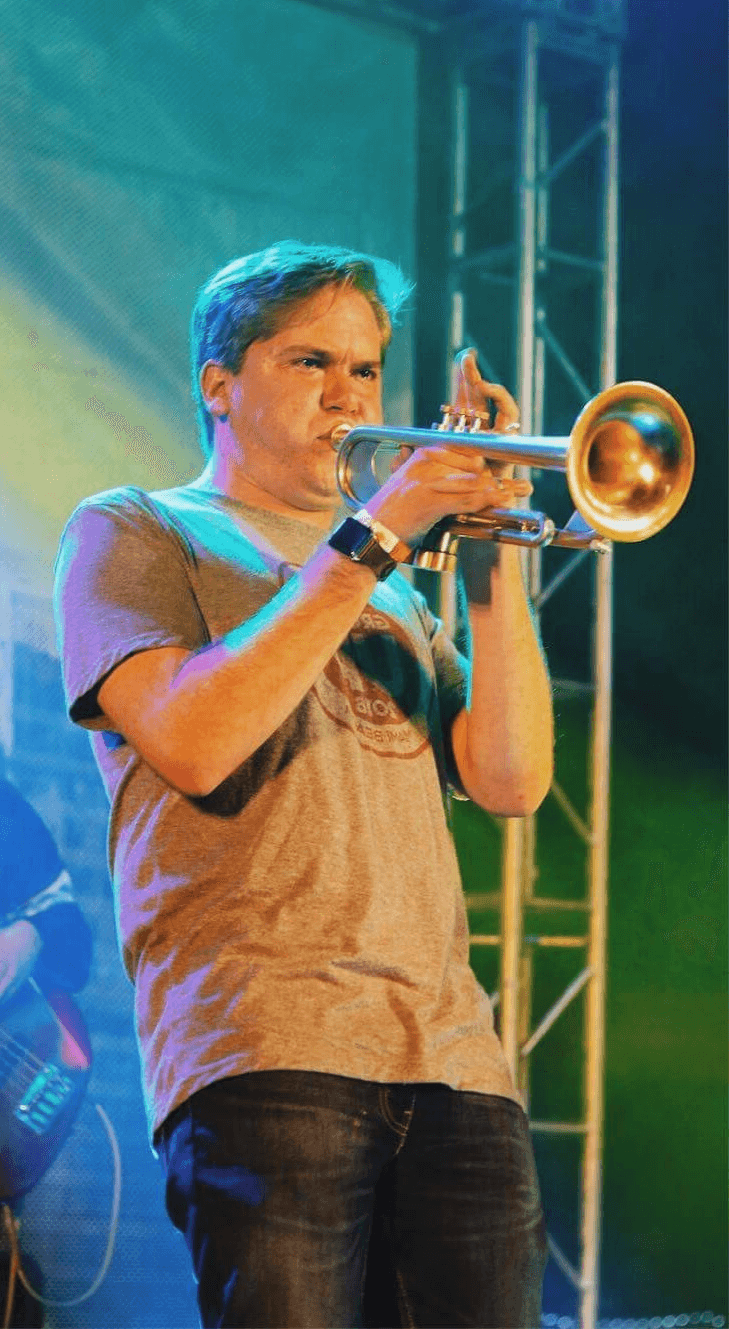
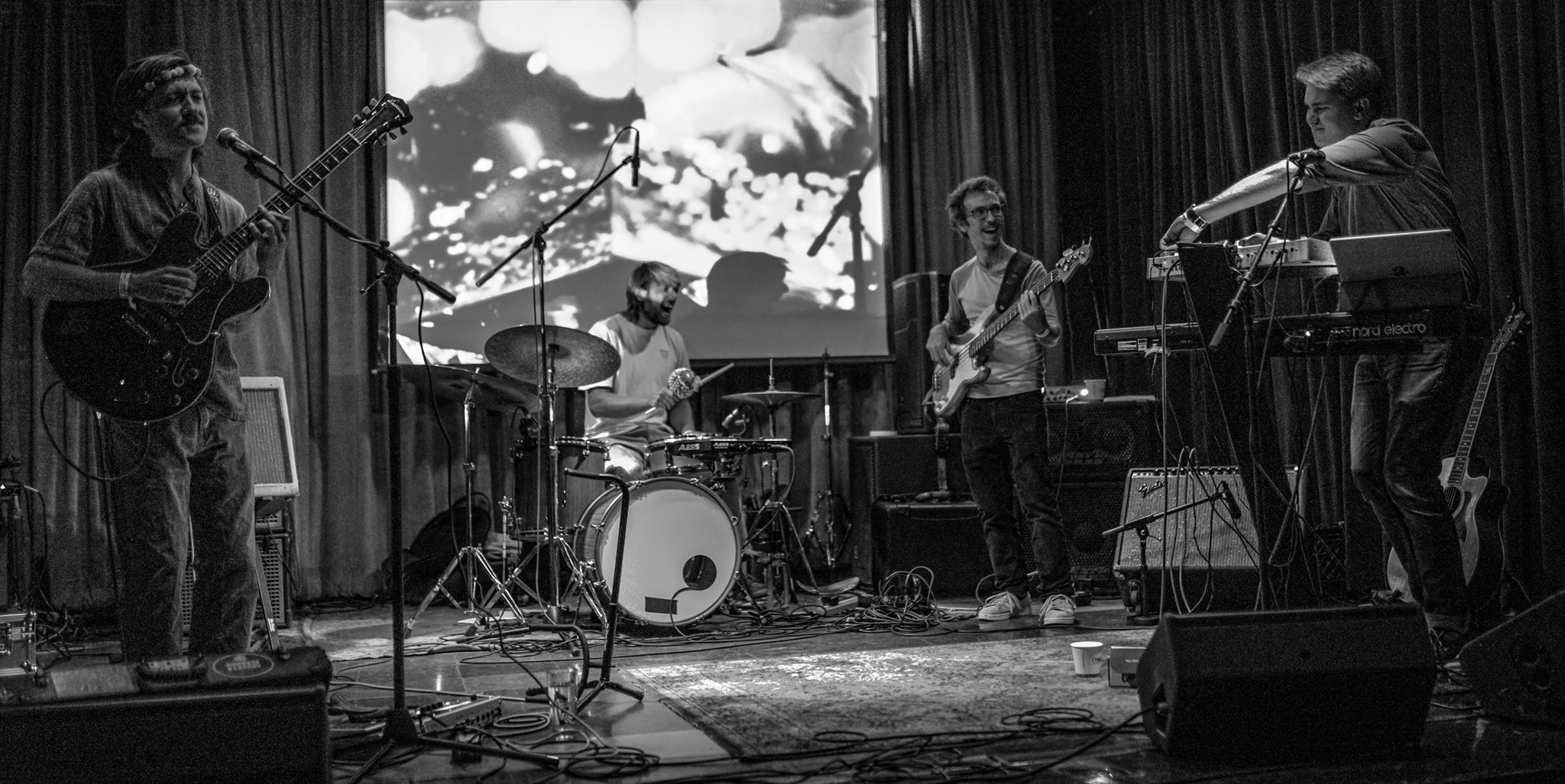
Some of my most meaningful musical experiences came from wrestling with structure, rewriting passages, and rehearsing the same 3 songs with the after school jazz band that led me to perform at Lincoln Center. That repetition for sometimes the better part of a year on the same music meant that when it was time for us to perform live, the rhythm and the phrasing became embodied; the music lived in us, and the audience felt it.
During one of the panels given at the same event, a student had asked of the world renowned Wynton Marsalis, “Is music for the listener or the player?”
He replied,
“Music is always for the listener. But the first listener is the player.” – Wynton Marsalis
That quote captures something essential: the integrity of authorship begins with the person who is first changed by the work. It also captures for me the essence of the line which I won't cross:
I will not build systems that support means of obscured or falsified authorship.
I will not build prompt-to-final-output music generation tools.
I will not participate in incentive structures that treat creative output as raw material for displacement.
Principles for Human-First Music Tools
Before critiquing any broader industry direction, I want to make my own principles explicit, which I will honor in what I build personally, with plans for a proper set of published commitments by the company I am founding at launch.
Prioritize user creativity and intent. Always let users guide the process and never make assumptions about their goals.
Maintain clear provenance of ideas and edits. Track authorship and changes to support transparency, collaboration, and creative ownership.
Communicate limitations transparently and suggest practical alternatives when certain requests can’t be fulfilled.
Empower users with editable suggestions instead of making automatic or irreversible changes.
Support enjoyable iteration, making it easy to try, edit, and refine ideas step by step and often in a coachable manner.
Accommodate incomplete and evolving ideas presented by embracing fragments or drafts and helping users expand or structure them.
Clearly indicate tool capabilities and boundaries, especially for complex musical concepts.
Encourage exploration and learning through intuitive design, accessible language, and helpful prompts.
These are constraints. They may slow execution. They may limit addressable markets. But they define the space I’m choosing to occupy, and I believe musicians from all walks will soon come searching for tools that meet and embrace similar principles.
Abundance and Its Discontents
We are living through genuine technological acceleration. AI systems expand capability, compress timelines, and unlock previously implausible workflows.
I use them daily. I feel both empowerment and whiplash. Many tools deliver on their promises, which can feel scary at times.
But technology doesn’t just expand what we can do. It reshapes what markets reward.
When “infinite” abundance is claimed: infinite music, infinite personalization, infinite mood matching—the economic floor shifts.
If music becomes largely substitutable to its listener, differentiation collapses toward cost.
Much of my discography isn't on Spotify. When playlists substitute AI-generated music for human-authored content and focus on cost over artist fairness, recorded music risks becoming interchangeable inventory.
The same dynamic is appearing in software engineering. AI increases leverage per engineer—and it has even restored some of the nostalgic joys I felt when I first started building, while challenging others. There is still magic in turning ideas into working systems quickly and intentionally.
But leverage also compresses coordination. It narrows apprenticeship pathways. It reduces the shared taste that develops inside teams before a product reaches users.
Acceleration lets new creators experience the magic, but comes at a cost of narrowing entry points for novices who lack the expertise to guide these systems to genuinely creative, human-driven outcomes.
We should confront both realities honestly:
Abundance changes incentives.
Substitution pressures creative labor downward.
Leverage empowers individuals but compresses coordination.
Not all friction is waste; some friction builds mastery.
The opportunity may lie where restraint is required.
Resisting the Push for Substitution
Creative industries rely on attribution. Attribution underpins compensation. Compensation underpins sustainability.
Systems that obscure authorship weaken creative labor markets.
When a photographer uses Photoshop to realize a vision, the tool extends intent. Authorship remains intact.
If the goal becomes achieving the fastest result from a model trained on millions of others’ images, the act shifts from shaping to selecting.
Those are different experiences. They create different cultures.
The issue is not generative technology itself. It’s deployment under incentives that reward displacement over collaboration.
Venture economics often push toward scale: more data, more automation, more capture. In creative AI, that frequently means optimizing toward end-to-end generation because it scales cleanly.
I’m choosing to operate under constraints that reinforce authorship rather than scale at all costs.
A lean team at the next phase of growth is inevitable. Maybe five to ten people at full scale. All aligned around preserving authorship and creating best-in-class tools that leverage one’s musicianship to new great ends.
Will that limit growth? Possibly.
Will it reduce spectacle? Almost certainly at the beginning.
But I’m less interested in spectacle than in building something musicians will trust for years to come.
A Future Worth Building
There’s a growing narrative that traditional software companies are dissolving—that apps are fading into assistants, and that foundation models are absorbing any unique functions one would use to differentiate software.
There is truth in that trajectory. I regularly question the financial viability of my chosen path this year, especially as AI adoption has varied widely across industries and use cases, and amid trajectories that point to the eventual replacement of the very tool I’m creating.
But if software defines itself purely as optimization or advancement, it becomes interchangeable.
If it defines itself around trust, authorship, and integrity—especially in creative vs purely functional domains, it may occupy a more durable position.
Teams will need to be lean, opinionated, and action-biased. Many will find this empowering. Many will be displaced.
I’m nostalgic for earlier software, as I am with music. But I’m confident that passionate people will continue creating things for others and themselves to experience, regardless of what tech industry leaders project.
The Empty Space
In jazz, great musicians don't just fill every moment with notes; they leave space—rests, silence, anticipation—for both themselves and others to create meaning. The "empty space" becomes a canvas for creativity and interplay.
This metaphor ties directly to music and the value of restraint.
It’s building in an area where others see commoditization.
It’s preserving authorship when efficiency rewards bypassing it.
It’s saying no when markets reward yes.
I would rather build in a direction that preserves meaning than chase momentum that optimizes it away.
Whether this proves strategically correct will only be visible in hindsight. But remaining principled throughout the process reduces the risk of regret—and of harming the creative communities I care about, which I hope to remain a lifelong participant in.
The incentives shaping our future were spoken aloud this week.
I’m choosing my position before they choose it for me.
An Invitation
If you are a musician, technologist, or builder wrestling with these same tensions, I would genuinely value your perspective.
Where do you see opportunities to utilize AI in your musical creativity?
What does a human-centered creative tool look like to you?
What lines would you refuse to cross, and what does the line between AI assistance and replacement mean to you?
This project is still forming. The commitments are real, but the implementation will be shaped by conversation.
If this resonates, reach out. Challenge the assumptions. Share your concerns. Help me define the empty space between the notes.
In the end, the choices we make about what to build—and what to leave untouched—will define not just our work, but the culture and meaning we pass on.
—Alex Melnychuck, February 2026
3rd Party Attributions:
Photos by Possessed Photography, Bambi Corro, Jacob Skowronek, and Simon Noh on Unsplash